Archives in Love and War
Operation Babylift Collection
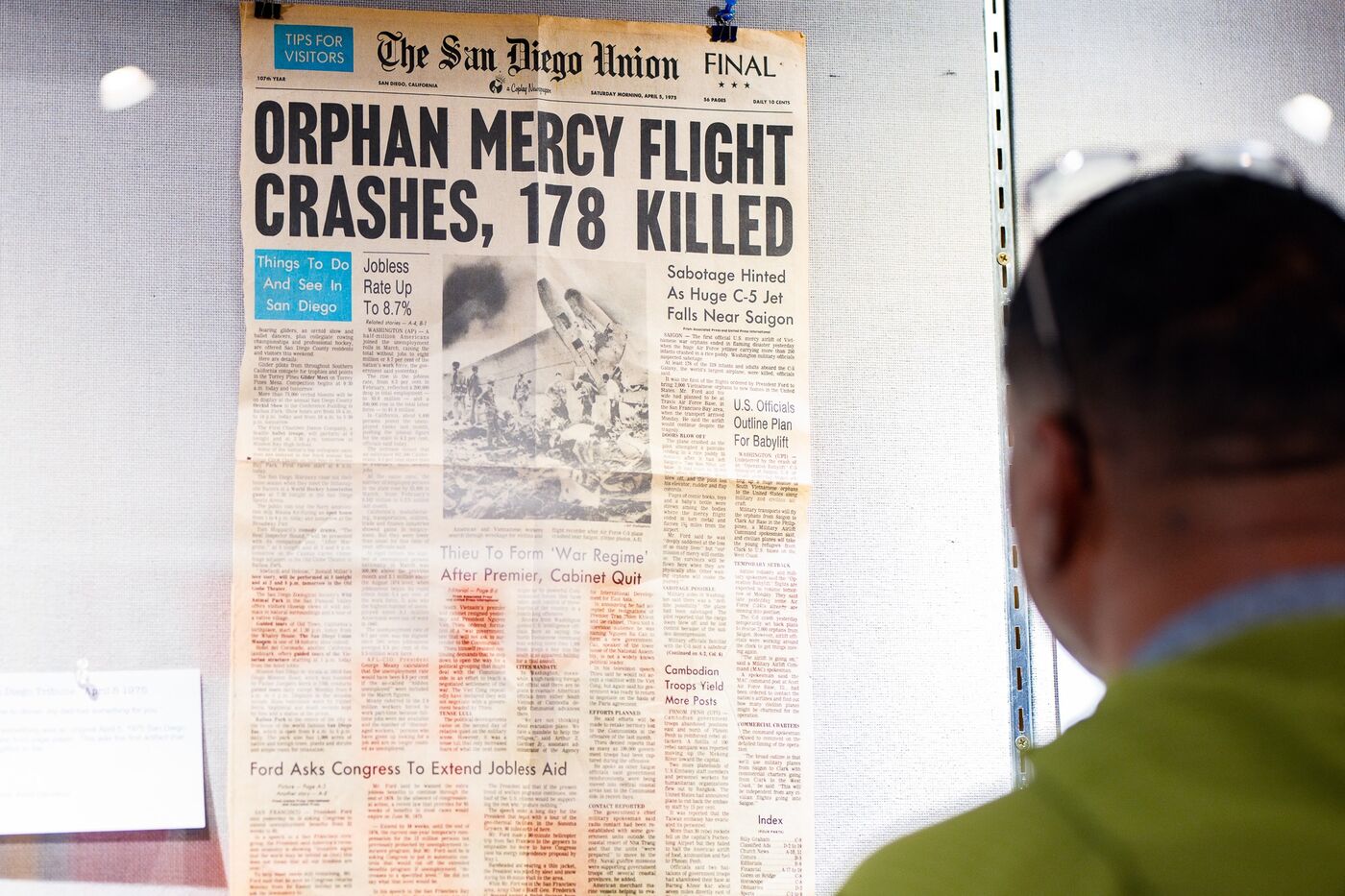
I did not have a hospital bracelet or baby book. Whatever records may have existed were destroyed in the war or lost in the plane crash. The media narrated the story of our lives...until now.
This project introduces adoptees to their own history and the journey that brought them from Vietnam.
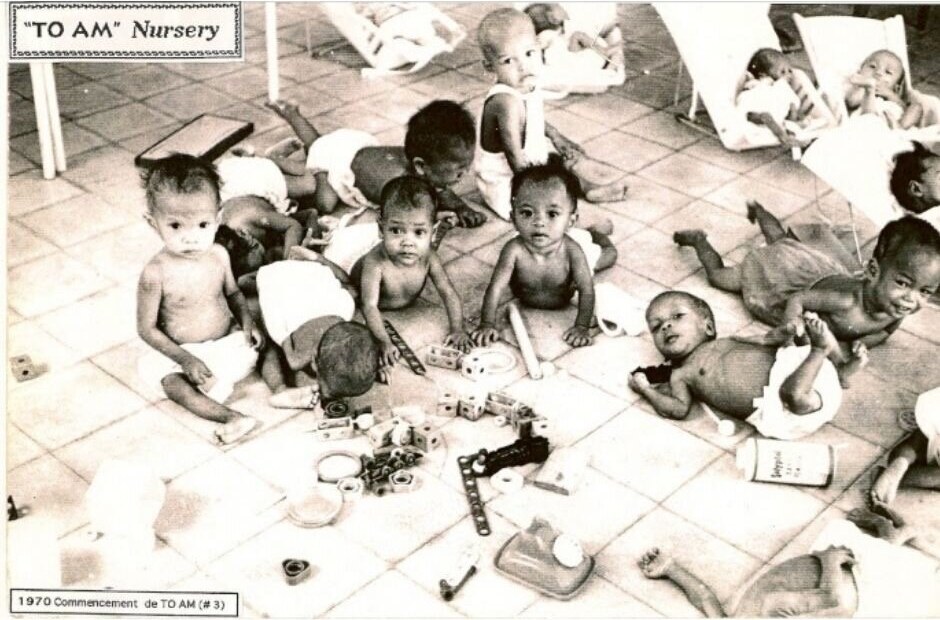
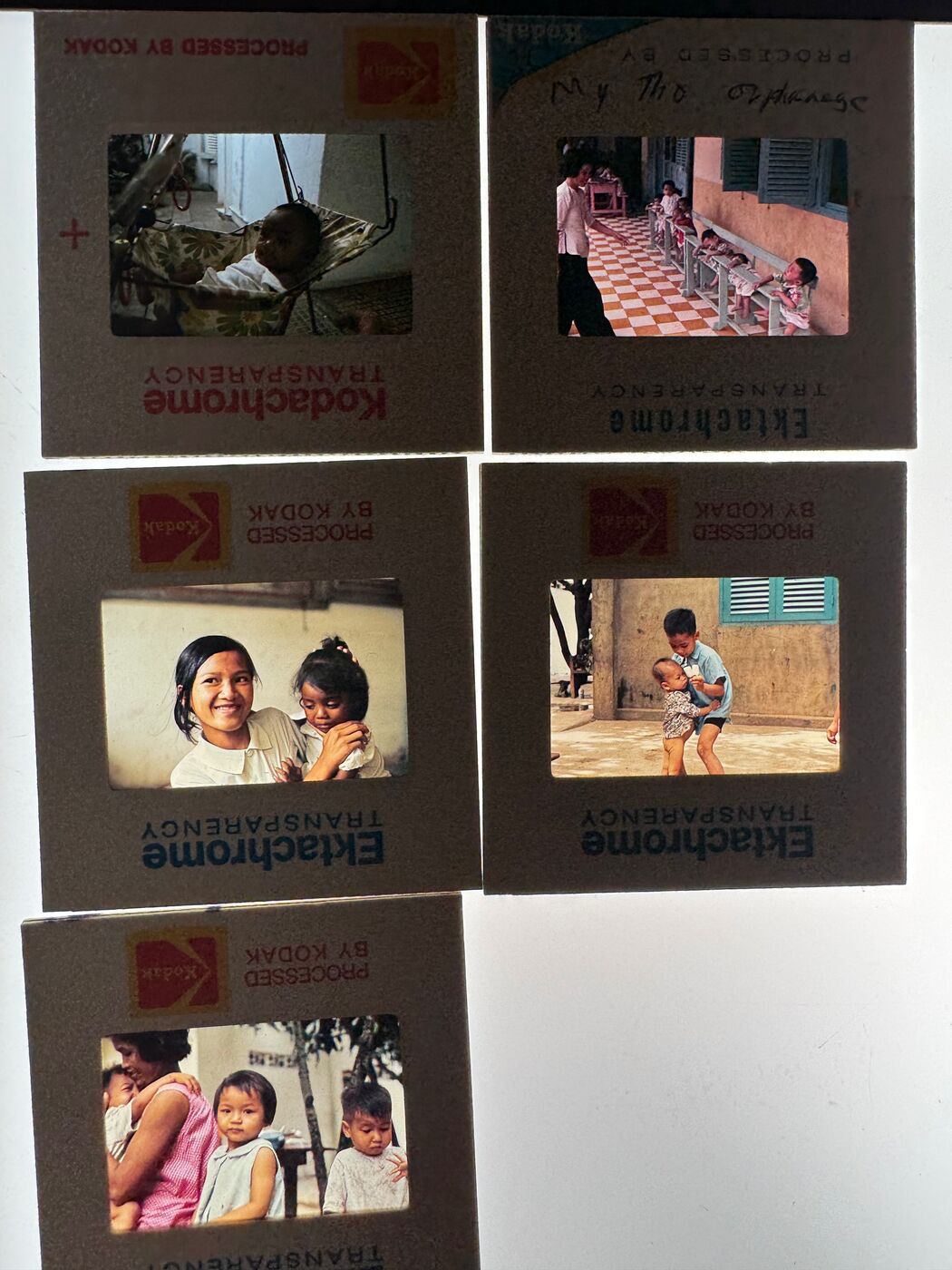
Children born in a war have little or no records of their origin. They are raised in families and communities that may or may not hold any cultural connection to their country of origin.
Seeing your name on a list is HUGE to an adoptee who has no history of their origin. It is evidence that you exist, evidence that you were cared for, evidence of the adoption process in two countries of which you have roots. For me, it was finding the story before I was me. For others, it is finding a community to which they belong.
“We were strangers coming together and left as family.”
Why now?
Because the stories that shaped who we are are disappearing. They are the stories of the veterans, the volunteers, the caregivers, our families and communities in Vietnam and in our home countries. The children are now entering their 50s with children of their own recognizing not just our own mortality but of those around us.
Why Me?
Why not me? I am a tradeshow director, not an archivist. It is that tenacity that seeks out the primary sources, people and places and is adamant about security and risk management protocols that makes for a good steward of these sensitive records. It is all of the various jobs that have honed one skill that has been a priority in my job since I was 14: customer service.
How has this changed me?
I learned that I had two names. I found people that look like me. I learned that I am not the only one that knows nothing about being Vietnamese. I have UNLEARNED the narrative that the media has been my life story. I have found my name in print for the first time on a passenger manifest. I have found emails about my origins that are only in the memory of those who cared for us. I have found people who have become like family. My world was rocked when I realized I had never given thought to the soldiers of my own country and the war they fought for us, the children. I have watched people’s lives change because of paperwork that I have compiled and galleries that I have curated. I have found that my super power - is creating space for magic to happen.
What do we do?
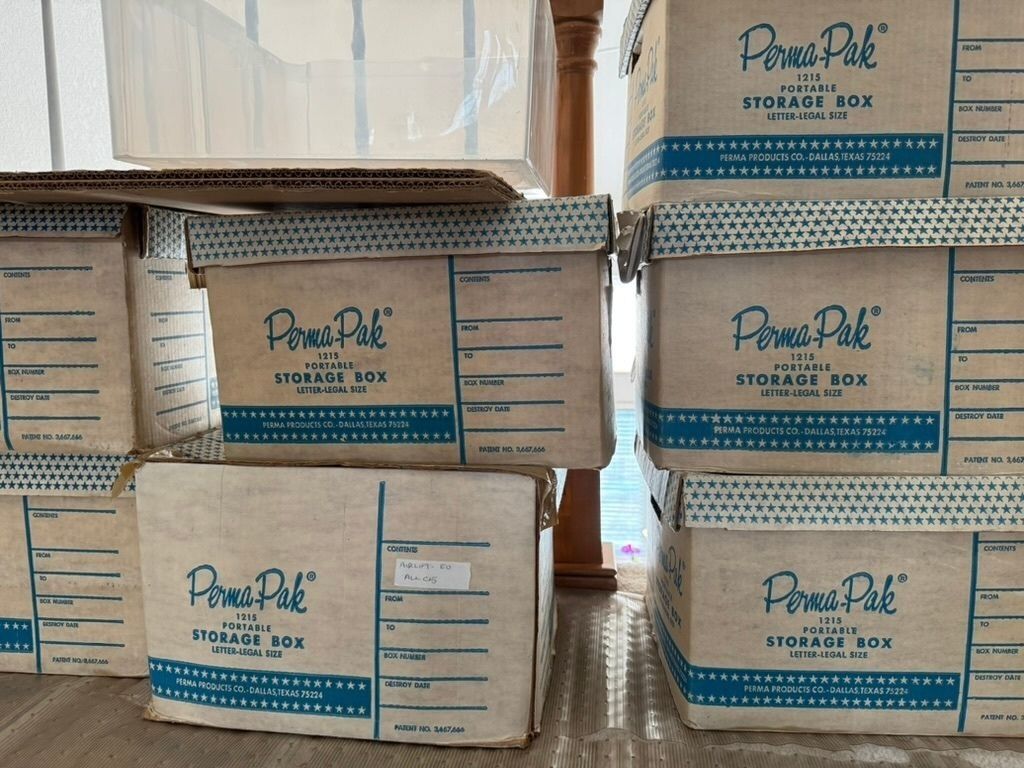
- Archive Processing: preparing the Friends For All Children Archives to be transferred to a repository for preservation, privacy and access in the future.
- File Connection and individual delivery to adoptees
- Provide a consolidated resource for Operation Babylift information.
- Network and outreach to Operation Babylift, Vietnamese adoptee and refugee communities.
How has this changed others?
There’s something powerful about being in a space where people just get it—shared stories, shared history, and connections that don’t need much explaining.
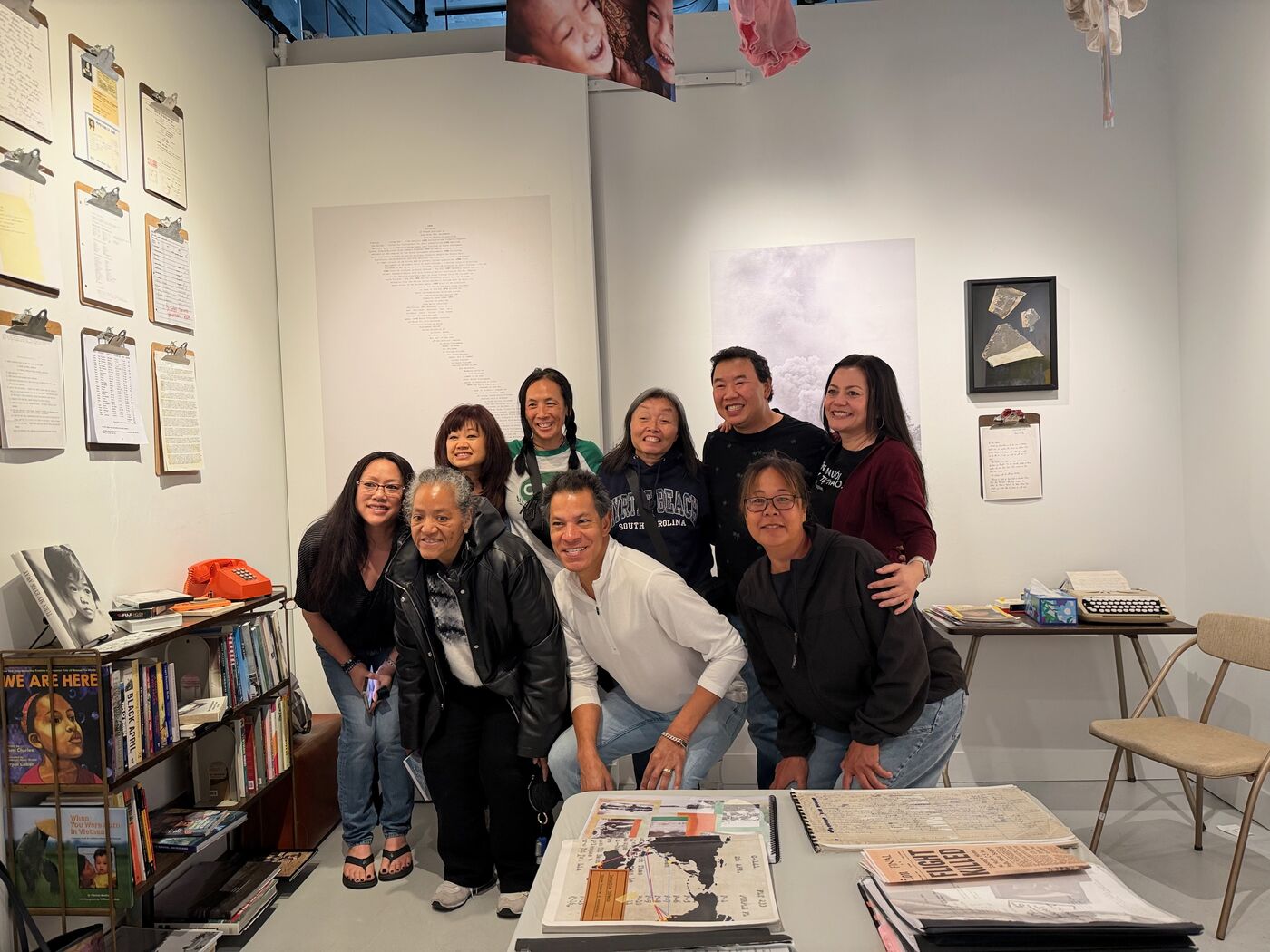
I am coming home from the most energizing and cathartic five days with a community of brothers and sisters where we do not share parents, but we share a history that began 50+ years ago. We found belonging in our shared history of our Vietnam War lineage, whether we are full/part Vietnamese, Cambodian, or Hmong. Our birth mothers, and our motherland, may call to us... we may seek to find the origins of our birth. But what struck me the most in this particular journey was the belonging that we seek in our community and in our stories. What I loved is that I found comfort and ease in our closeness, though we are separated by miles. We shared hugs, laughter, tears, and joy. There is an ease in our conversation and in the recognition that we are community, we embody belongingness, we are children of operation baby lift.
To feel so connected to find belonging and understanding in strangers, who are my blood, my brothers and sisters, who share the scars that we all bear from our beginnings, to return to people who don’t see me, respect me, appreciate or value me since I have returned from my trip to Colorado to meet other Babylift survivors and adoptee.
Where would you like to begin?
I am an adoptee searching
Start a search under every name you have carried. Find what to gather, how the search works, and what to expect.
Start your search →I am family, a caregiver, or part of the community
Gatherings, exhibits, oral histories, and ways to take part.
Join the community →I am press or a partner
Coverage, fact sheet, boilerplate, and how to reach us.
Visit the press page →I want to support this work
The window to protect fragile originals and return them in person is now.
See how to give →2026 News & Documentary Emmy Award · Winner
Operation Babylift: The 50-Year Journey
The 20/20 and ABC News Live documentary won the 2026 News & Documentary Emmy Award for Outstanding Light Feature: Long Form. The film follows the lives the Babylift children built, and the archive at the center of the search.
The work
What you can do here
Find your records
We search transportation records first, then the records transcribed so far. If you were placed through Friends For All Children, we search the adoptee index as well.
Receive your file
Original records, photographs, and correspondence are returned to the people they name, with a facilitated session so you are not alone with what you find.
Gather with others
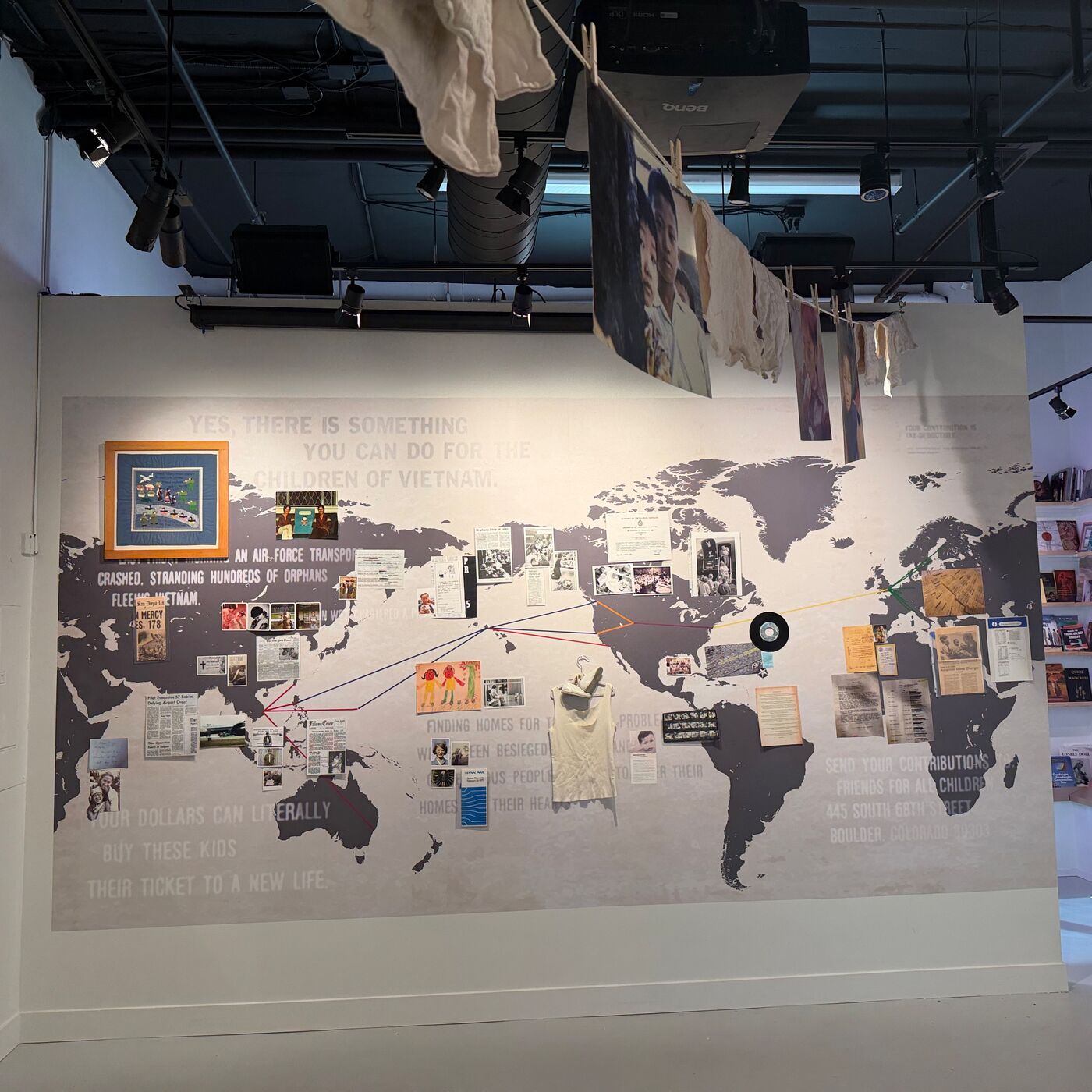
Gatherings bring adoptees, caregivers, veterans, and families together, and oral histories preserve the voices of caregivers now in their seventies, eighties, and nineties.
See the archive in public
Exhibitions, panels, and talks bring original records into public space with care, including the Children of War: Lives Between StoryDeck facilitation system.
How the archive is cared for. Every record is processed through Love Ethic Archival Practice (LEAP), a trauma-informed methodology that puts the dignity and agency of survivors first.
Research in the National Archives in Vietnam matched documentation for adoptees from Vietnam to their home countries. Your donation will support this bilateral records index research.
Community
The archive belongs to the community it documents
Adoptees, birth families, caregivers, volunteers, veterans, and diaspora members across all seven streams of Vietnamese displacement.
In the press
Coverage
- ABC 20/20 & ABC News LiveMay 2025 · 2026 Emmy winner
Operation Babylift: The 50-Year Journey – A Special Edition of 20/20 - The Washington PostApril 27, 2025
The children of the Vietnam War’s ‘Operation Babylift’ have turned 50. A look at the lives they built. - Smithsonian Magazine2025
This Adoptee Discovered a Trove of Documents in a Nun’s Basement. The Rare Vietnam War Records May Rewrite the Story of Operation Babylift - The Colorado SunMay 3, 2026
50 years after Operation Babylift evacuated thousands from Vietnam, a Colorado gathering celebrates a shared past
From the collection
Records and connections
Why this work matters
Why we need you to support this project
This project changes lives. I have seen it and so can you.
Fiscally Sponsored by Torrey House Press (EIN 47-5055025)